

Are there any health risks associated with gypsum board?
As a gypsum board supplier, I often encounter questions from customers regarding the potential health risks associated with gypsum board. Gypsum board, also known as drywall or plasterboard, is a widely used building material due to its versatility, affordability, and ease of installation. In this blog post, I will delve into the topic of health risks associated with gypsum board, providing a comprehensive and scientific analysis.
Composition and Properties of Gypsum Board
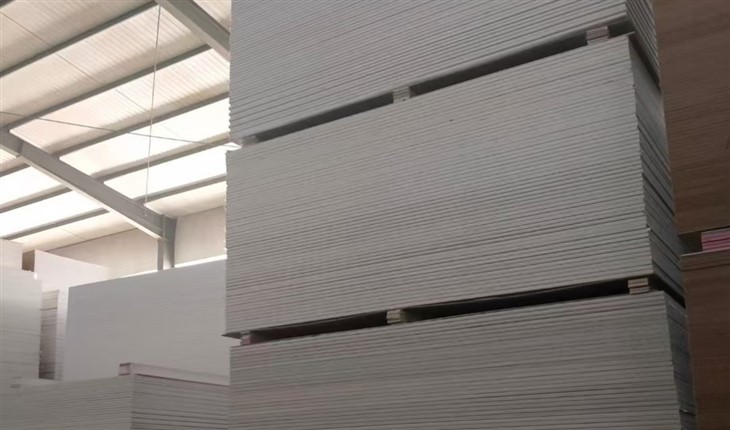
Gypsum board is primarily composed of gypsum, a soft sulfate mineral composed of calcium sulfate dihydrate (CaSO₄·2H₂O). The gypsum is sandwiched between two layers of paper, which provides strength and durability to the board. Gypsum board is known for its fire-resistant properties, sound insulation capabilities, and smooth finish, making it an ideal choice for interior walls and ceilings in residential and commercial buildings.
General Safety of Gypsum Board
In general, gypsum board is considered to be a safe building material when used as intended. Gypsum itself is a naturally occurring mineral that is non-toxic and non-hazardous. The paper facing on gypsum board is typically made from recycled materials and is also considered to be safe. When installed correctly, gypsum board does not release any harmful chemicals or pollutants into the air, making it a healthy choice for indoor environments.
Potential Health Risks
While gypsum board is generally safe, there are some potential health risks associated with its use. These risks are primarily related to the installation and demolition processes, as well as the presence of mold or other contaminants on the board.
Dust Inhalation
During the installation and demolition of gypsum board, dust is generated. This dust can contain gypsum particles, as well as other materials such as joint compound, sandpaper, and paint. Inhaling large amounts of dust can cause respiratory problems, such as coughing, wheezing, and shortness of breath. Prolonged exposure to dust can also lead to more serious health problems, such as silicosis, a lung disease caused by the inhalation of silica dust.
To minimize the risk of dust inhalation, it is important to wear appropriate personal protective equipment (PPE), such as a dust mask or respirator, when working with gypsum board. It is also important to use proper ventilation techniques, such as opening windows and doors or using a dust collection system, to reduce the amount of dust in the air.
Mold Growth
Gypsum board is susceptible to mold growth if it is exposed to moisture. Mold can grow on the surface of the board or within the paper facing, and can cause a variety of health problems, such as allergic reactions, respiratory problems, and skin irritation. Mold can also produce mycotoxins, which are toxic substances that can cause more serious health problems, such as neurological problems and cancer.
To prevent mold growth on gypsum board, it is important to keep the board dry and well-ventilated. If the board becomes wet, it should be dried as soon as possible to prevent mold from growing. If mold is present on the board, it should be removed using a mold remediation professional.
Chemical Contaminants
In some cases, gypsum board may contain chemical contaminants, such as lead, asbestos, or formaldehyde. These contaminants can be released into the air if the board is damaged or if it is exposed to high temperatures. Exposure to these contaminants can cause a variety of health problems, such as neurological problems, respiratory problems, and cancer.
To ensure that the gypsum board you are using is free from chemical contaminants, it is important to purchase it from a reputable supplier. You should also ask the supplier for information about the board's composition and any potential health risks associated with its use.
Minimizing Health Risks
As a gypsum board supplier, I am committed to providing my customers with safe and high-quality products. To minimize the health risks associated with gypsum board, I recommend the following:
Choose the Right Product
When selecting gypsum board, it is important to choose a product that is suitable for your specific application. For example, if you are installing gypsum board in a bathroom or other area that is prone to moisture, you should choose a Waterproof Fireproof Mositure Resistance Gypsum Board. If you are installing gypsum board in a ceiling, you should choose a Gypsum Board For Ceilings.
Follow Installation Guidelines
It is important to follow the manufacturer's installation guidelines when installing gypsum board. This will ensure that the board is installed correctly and that it is safe to use. You should also use proper tools and techniques when installing the board, and you should wear appropriate PPE to protect yourself from dust and other hazards.
Maintain Proper Ventilation
Proper ventilation is essential to prevent the buildup of moisture and mold in indoor environments. You should ensure that your home or building has adequate ventilation, and you should use exhaust fans in areas that are prone to moisture, such as bathrooms and kitchens.
Inspect the Board Regularly
It is important to inspect the gypsum board regularly for signs of damage or mold growth. If you notice any signs of damage or mold, you should take immediate action to repair or replace the board.
Conclusion
In conclusion, gypsum board is a safe and widely used building material when used as intended. However, there are some potential health risks associated with its use, primarily related to dust inhalation, mold growth, and chemical contaminants. By choosing the right product, following installation guidelines, maintaining proper ventilation, and inspecting the board regularly, you can minimize these risks and ensure that your home or building is a healthy and safe place to live or work.

If you have any questions or concerns about the health risks associated with gypsum board, or if you are interested in purchasing gypsum board for your next project, please do not hesitate to contact me. I would be happy to provide you with more information and to help you choose the right product for your needs.
References
- American Lung Association. (2023). Dust and Your Lungs. Retrieved from https://www.lung.org/clean-air/at-home/indoor-air-pollutants/dust
- Centers for Disease Control and Prevention. (2023). Mold and Your Health. Retrieved from https://www.cdc.gov/mold/faqs.htm
- Occupational Safety and Health Administration. (2023). Gypsum Wallboard Installation. Retrieved from https://www.osha.gov/gypsum-wallboard-installation