

As a seasoned supplier of Gypsum Panel, I often encounter inquiries from customers about the flexibility of gypsum panels. This question is not only relevant for architects and contractors looking to create unique designs but also for DIY enthusiasts aiming to add a personal touch to their projects. In this blog post, I will delve into the science behind the bendability of gypsum panels, explore the factors that influence it, and provide practical tips on how to bend gypsum panels safely and effectively.
The Nature of Gypsum Panels
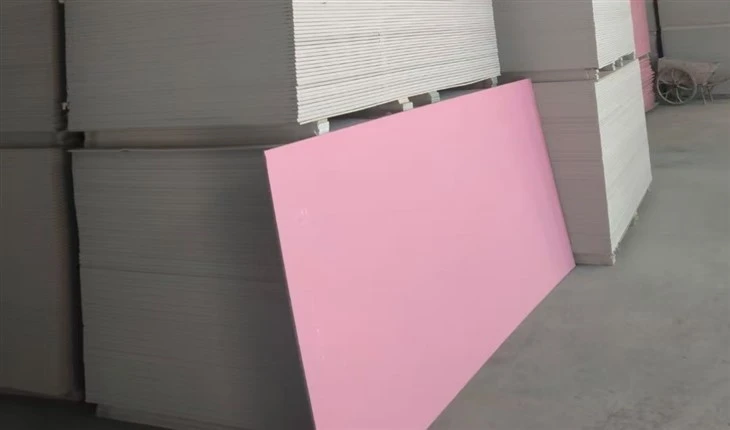
Gypsum panels, also known as drywall or plasterboard, are widely used in construction for interior walls and ceilings. They are made by sandwiching a core of gypsum plaster between two layers of paper. Gypsum, a soft sulfate mineral composed of calcium sulfate dihydrate, is known for its fire-resistant and sound-insulating properties. The paper facing provides strength and durability to the panel.
Under normal circumstances, gypsum panels are relatively rigid and brittle. They are designed to be installed in a flat or straight configuration to provide a stable and smooth surface. However, with the right techniques and under certain conditions, it is possible to bend gypsum panels to a certain degree.
Factors Affecting the Bendability of Gypsum Panels
Panel Thickness
One of the most significant factors that affect the bendability of gypsum panels is their thickness. Thinner panels are generally more flexible than thicker ones. For example, a 1/4-inch thick gypsum panel can be bent more easily than a 5/8-inch thick panel. This is because the thinner the panel, the less resistance it offers to bending forces.
Panel Composition
The composition of the gypsum panel also plays a role in its bendability. Some gypsum panels are formulated with additives or fibers that enhance their flexibility. These panels are often referred to as flexible gypsum panels or bendable drywall. They are specifically designed for applications that require curved or arched surfaces, such as round columns, domes, and curved walls.
Moisture Content
Moisture can significantly affect the bendability of gypsum panels. When gypsum panels are exposed to moisture, the gypsum core softens, making the panel more flexible. However, excessive moisture can also cause the panel to lose its structural integrity and become prone to damage. Therefore, it is important to control the moisture content during the bending process.
Bending Radius
The bending radius is the minimum radius of curvature that a gypsum panel can be bent to without cracking or breaking. The bending radius depends on several factors, including the panel thickness, composition, and moisture content. In general, the smaller the bending radius, the more difficult it is to bend the panel.
Techniques for Bending Gypsum Panels
Wet Bending
Wet bending is one of the most common techniques for bending gypsum panels. This method involves moistening the panel to soften the gypsum core and make it more flexible. Here are the steps for wet bending gypsum panels:
- Prepare the Panel: Cut the gypsum panel to the desired size and shape. Make sure to wear appropriate safety gear, such as gloves and goggles, when handling the panel.
- Moisten the Panel: Use a spray bottle or a sponge to apply water evenly to one side of the panel. Be careful not to over-saturate the panel, as this can cause it to become too soft and lose its shape.
- Apply Pressure: Once the panel is moistened, place it on a curved form or mold. Apply pressure gradually to the panel to bend it to the desired shape. You can use clamps, weights, or other tools to hold the panel in place while it dries.
- Allow the Panel to Dry: After bending the panel, allow it to dry completely before installing it. This may take several hours or even days, depending on the moisture content and the environmental conditions.
Score and Bend
The score and bend method is another technique for bending gypsum panels. This method involves making a series of shallow cuts on the back side of the panel to weaken the paper facing and allow the panel to bend more easily. Here are the steps for score and bend:
- Mark the Bending Line: Use a straightedge and a pencil to mark the bending line on the back side of the panel.
- Score the Panel: Use a utility knife to make a series of shallow cuts along the bending line. Make sure to cut through the paper facing but not the gypsum core.
- Bend the Panel: Once the panel is scored, carefully bend it along the bending line. You can use a bending form or mold to help guide the panel into the desired shape.
- Reinforce the Panel: After bending the panel, reinforce the back side with a layer of joint compound or tape to prevent the cuts from opening up.
Applications of Bent Gypsum Panels
Architectural Design
Bent gypsum panels are commonly used in architectural design to create unique and visually appealing curved or arched surfaces. They can be used to create round columns, domes, curved walls, and other architectural features. By using bent gypsum panels, architects and designers can add a sense of elegance and sophistication to their projects.
Interior Decoration
Bent gypsum panels can also be used for interior decoration purposes. They can be used to create curved partitions, alcoves, and other decorative elements. By using bent gypsum panels, homeowners and interior designers can add a touch of creativity and personality to their living spaces.

Soundproofing and Fireproofing
In addition to their aesthetic appeal, bent gypsum panels can also provide soundproofing and fireproofing benefits. The curved shape of the panels helps to absorb and deflect sound waves, reducing noise transmission between rooms. The gypsum core of the panels is also fire-resistant, providing an additional layer of protection against fire.
Precautions and Considerations
Safety First
When bending gypsum panels, it is important to take appropriate safety precautions. Wear safety gear, such as gloves and goggles, to protect yourself from dust and debris. Make sure to work in a well-ventilated area to avoid inhaling dust particles.
Follow Manufacturer's Instructions
Before attempting to bend gypsum panels, it is important to read and follow the manufacturer's instructions. Different manufacturers may have different recommendations and guidelines for bending their panels. Make sure to use the recommended tools and techniques to ensure the best results.
Test the Panel
Before bending a large panel, it is a good idea to test a small sample first. This will help you to determine the best bending method and to ensure that the panel can be bent to the desired shape without cracking or breaking.
Allow for Expansion and Contraction
When installing bent gypsum panels, it is important to allow for expansion and contraction. Gypsum panels can expand and contract due to changes in temperature and humidity. Make sure to leave a small gap between the panels to allow for this movement.
Conclusion
In conclusion, gypsum panels can be bent to a certain degree with the right techniques and under certain conditions. The bendability of gypsum panels depends on several factors, including panel thickness, composition, moisture content, and bending radius. By understanding these factors and following the appropriate precautions, you can safely and effectively bend gypsum panels to create unique and visually appealing curved or arched surfaces.
If you are interested in purchasing Gypsum Panel or Gypsum Board For Ceilings, or Waterproof Fireproof Mositure Resistance Gypsum Board, please feel free to contact us for more information. We are a leading supplier of high-quality gypsum panels and can provide you with the products and services you need for your construction projects.
References
- "Gypsum Board Installation Guide," Gypsum Association.
- "Bending Gypsum Board: Techniques and Tips," Fine Homebuilding.
- "Flexible Gypsum Panels: A Guide to Their Use and Installation," Building Products Digest.