

Hey there! As a warehouse forklift supplier, I've seen my fair share of folks looking to buy used forklifts. It's a smart move in many ways, saving you some bucks while still getting a reliable machine for your warehouse. But before you seal the deal on a used warehouse forklift, you gotta do a proper inspection. Here's how you can go about it.
Exterior Inspection
First things first, take a good look at the forklift's exterior. Walk around it and check for any obvious signs of damage. Look for dents, scratches, and rust. Dents can indicate that the forklift has been in some kind of accident, which might have affected its structural integrity. Scratches might seem minor, but they can lead to rust if left untreated. Rust is a big red flag, especially if it's extensive. It can weaken the metal and cause parts to fail prematurely.
Check the tires as well. Look for uneven wear, cuts, or bulges. Uneven wear can mean that the forklift's alignment is off, which can lead to handling issues. Cuts and bulges are signs of tire damage, and you might need to replace the tires soon. If the tires are in really bad shape, it could add a significant cost to your purchase.
Mast and Forks
The mast and forks are crucial parts of a forklift. The mast is what allows the forks to go up and down, and the forks are what carry the loads. Inspect the mast for any signs of bending or damage. Make sure the chains and cables that control the mast are in good condition. Look for any signs of fraying or excessive wear. If the chains or cables are damaged, they need to be replaced immediately, as they are essential for the safe operation of the forklift.
Check the forks too. They should be straight and free of cracks. Look for any signs of wear at the tips of the forks. If the forks are worn down, they might not be able to hold the loads properly, which can be dangerous. You can also check the fork positioner, if the forklift has one. Make sure it moves smoothly and that the forks can be adjusted easily.
Engine and Battery
If it's an internal combustion forklift, check the engine. Look for any signs of leaks, such as oil or coolant. Leaks can indicate that there are problems with the engine, and it might need some major repairs. Check the oil level and the coolant level. If they are low, it could mean that there is a leak or that the engine is burning oil or coolant.
For electric forklifts, check the battery. The battery is the heart of an Electric Forklift. Look for any signs of damage, such as cracks or bulges. Check the water level in the battery cells, if it's a lead-acid battery. Low water levels can reduce the battery's lifespan. Also, check the battery charger to make sure it's working properly.
Hydraulic System
The hydraulic system is what allows the forklift to lift and lower loads. Check the hydraulic hoses for any signs of leaks or damage. Look for any bulges or cracks in the hoses. If the hoses are damaged, they need to be replaced immediately, as a hydraulic leak can be dangerous. Check the hydraulic fluid level as well. Low fluid levels can indicate a leak or a problem with the hydraulic pump.
Operate the forklift's controls to test the hydraulic system. Make sure the forks go up and down smoothly and that there are no jerks or unusual noises. If you notice any problems with the hydraulic system, it could be a sign of a more serious issue.
Electrical System
Inspect the electrical system of the forklift. Check the wiring for any signs of damage or fraying. Look for loose connections or corroded terminals. A faulty electrical system can cause all sorts of problems, from the forklift not starting to the lights and indicators not working properly.
Test the lights, horn, and other electrical components. Make sure they all work as they should. If you notice any electrical problems, it's important to have them fixed before you buy the forklift.
Test Drive
Once you've done the visual inspection, it's time for a test drive. Start the forklift and let it warm up for a few minutes. Listen for any unusual noises coming from the engine or other parts of the forklift. If you hear any knocking, rattling, or grinding noises, it could be a sign of a problem.

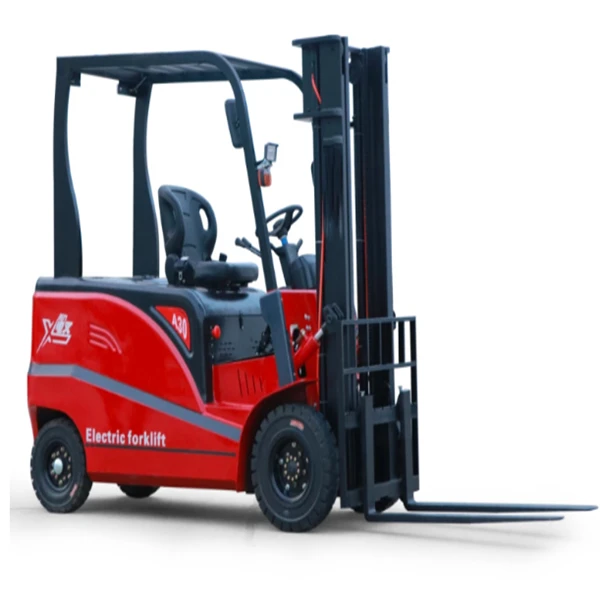
Drive the forklift around the warehouse or the area where you'll be using it. Pay attention to how it handles. Make sure it steers smoothly and that the brakes work properly. Test the acceleration and deceleration. If the forklift feels sluggish or unresponsive, it might need some tuning or repairs.
Try lifting and lowering some loads. Make sure the forks can handle the weight and that the mast operates smoothly. If you notice any problems during the test drive, it's a good idea to have a professional mechanic take a look at the forklift.
Documentation
Don't forget to ask for the forklift's documentation. This includes the maintenance records, service history, and any safety inspections that have been done. The maintenance records can give you an idea of how well the forklift has been taken care of. If the forklift has a good service history, it's more likely to be in good condition.
The safety inspections are also important. They can tell you if the forklift meets the necessary safety standards. If the forklift has not been inspected recently, it's a good idea to have it inspected by a qualified technician before you buy it.
Conclusion
Inspecting a used warehouse forklift before buying is crucial to ensure that you're getting a reliable and safe machine. By following these steps, you can identify any potential problems and make an informed decision. If you have any questions or need more information about used Warehouse forklift inspections, feel free to reach out. We're here to help you find the perfect forklift for your needs. Whether you're looking for an Electric Forklift or a Forklift Truck, we've got you covered. So, don't hesitate to contact us if you're interested in purchasing a used forklift. We can provide you with more details and even arrange a viewing.
References
- Forklift Safety Guidelines, Occupational Safety and Health Administration (OSHA)
- Forklift Maintenance Best Practices, Industrial Truck Association (ITA)