

Hey there! I'm a supplier of Fiber Cement Board, and I know how crucial it is to keep moisture from getting into these boards. Moisture can lead to all sorts of problems, like warping, mold growth, and reduced lifespan of the boards. So, in this blog, I'm gonna share some tips on how to prevent moisture from penetrating fiber cement board.
Understanding Fiber Cement Board
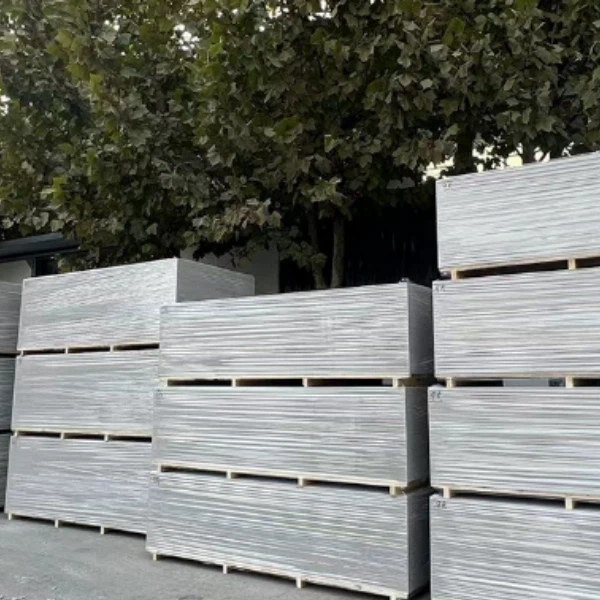
First off, let's talk a bit about fiber cement board. It's a popular building material known for its durability, fire resistance, and low maintenance. You can find it in different forms, like Fiber Cement Sheet and Cement Fiber Board. These boards are made from a combination of cement, cellulose fibers, and other additives.
But here's the thing: even though fiber cement board is pretty tough, it's not completely immune to moisture. When moisture seeps in, it can break down the fibers and weaken the board over time. That's why it's so important to take steps to protect it.
Proper Installation
One of the most important steps in preventing moisture penetration is proper installation. Here are some key points to keep in mind:

- Use the Right Fasteners: Make sure you're using the right type of fasteners for your fiber cement board. Stainless steel or hot-dipped galvanized nails and screws are a good choice because they're resistant to rust and corrosion. Avoid using nails or screws that are too short or too long, as this can cause the board to warp or crack.
- Leave Expansion Gaps: Fiber cement board expands and contracts with changes in temperature and humidity. To allow for this movement, you need to leave a small expansion gap between the boards. A gap of about 1/8 inch is usually recommended.
- Seal the Edges: The edges of the fiber cement board are particularly vulnerable to moisture penetration. To protect them, you should seal the edges with a high-quality sealant. This will help prevent water from seeping in and causing damage.
- Install a Vapor Barrier: If you're installing fiber cement board in an area where there's a lot of moisture, like a bathroom or a basement, it's a good idea to install a vapor barrier behind the board. A vapor barrier is a layer of plastic or foil that helps prevent moisture from passing through the wall.
Surface Treatments
In addition to proper installation, you can also use surface treatments to protect your fiber cement board from moisture. Here are some options:
- Paint or Stain: Applying a coat of paint or stain to your fiber cement board can help create a barrier against moisture. Make sure you choose a paint or stain that's specifically designed for use on fiber cement board. Look for products that are water-resistant and have good adhesion.
- Waterproofing Sealant: A waterproofing sealant is another option for protecting your fiber cement board. These sealants are designed to penetrate the surface of the board and create a water-repellent barrier. You can apply a waterproofing sealant to the entire surface of the board or just to the edges and joints.
- Primer: Using a primer before painting or staining your fiber cement board can help improve the adhesion of the finish and provide an extra layer of protection against moisture. Look for a primer that's specifically designed for use on fiber cement board.
Maintenance
Once your fiber cement board is installed and treated, it's important to maintain it properly to keep it in good condition. Here are some maintenance tips:
- Inspect Regularly: Check your fiber cement board regularly for signs of damage or moisture penetration. Look for cracks, warping, or discoloration. If you notice any problems, address them as soon as possible to prevent further damage.
- Clean as Needed: If your fiber cement board gets dirty, you can clean it with a mild detergent and water. Avoid using abrasive cleaners or tools, as these can scratch the surface of the board.
- Repair Damage Promptly: If you notice any damage to your fiber cement board, like a crack or a hole, repair it promptly. You can use a fiber cement board repair kit to fill in small cracks and holes. For larger damage, you may need to replace the affected section of the board.
Conclusion
Preventing moisture from penetrating fiber cement board is essential for ensuring its long-term performance and durability. By following the tips outlined in this blog, you can protect your fiber cement board from moisture and keep it looking great for years to come.
If you're in the market for high-quality Fiber Cement Board, I'd love to talk to you. We offer a wide range of fiber cement board products that are designed to meet your specific needs. Whether you're a contractor, a builder, or a homeowner, we can help you find the right product for your project.
So, if you have any questions or would like to discuss your project in more detail, don't hesitate to get in touch. I'm here to help you make the best decision for your building needs.
References
- "Fiber Cement Board Installation Guide." Building Materials Association.
- "Moisture Protection for Fiber Cement Board." National Association of Home Builders.
- "Surface Treatments for Fiber Cement Board." Paint and Coatings Industry Magazine.