

Hey there! I'm a supplier of Fiber Cement Board, and I know firsthand how important it is to keep these boards in top - notch condition. One of the most common issues that can plague fiber cement boards is mold growth. Mold not only looks bad but can also affect the structural integrity of the boards over time and pose health risks. So, let's dive into how we can treat fiber cement boards to prevent mold from taking over.
Understanding Why Mold Grows on Fiber Cement Boards
First things first, we need to understand what makes mold grow on fiber cement boards. Mold loves damp, dark, and warm environments. Fiber cement boards, if exposed to excessive moisture, can become the perfect breeding ground for mold. This moisture can come from various sources like rainwater seepage, high humidity in the air, or even leaks from plumbing systems nearby.
Even though fiber cement boards are made to be durable, they're not completely immune to mold. Once mold starts growing, it spreads quickly, attaching itself to the surface of the board and feeding on any organic matter that might be present. And trust me, once it gets a foothold, it's a real pain to get rid of.
Choosing the Right Fiber Cement Board
When it comes to preventing mold, it all starts with choosing the right product. At our company, we offer high - quality Cement Fiber Board and Fiber Cement Sheet that are designed with mold resistance in mind. Our boards are treated during the manufacturing process to make them less susceptible to mold growth.
We use advanced technology to ensure that the boards have a low porosity, which means less water can be absorbed. This is crucial because the less water the board absorbs, the less likely mold is to grow. So, if you're in the market for fiber cement boards, make sure you pick ones that are specifically made to resist mold.
Proper Installation
Installing fiber cement boards correctly is key to preventing mold. If the boards aren't installed properly, water can seep in around the edges or through gaps, creating the perfect environment for mold. Here are some installation tips:
- Leave Adequate Expansion Gaps: When installing Fiber Cement Board, make sure to leave a small gap between the boards. This allows the boards to expand and contract with changes in temperature and humidity without cracking. A cracked board can let water in, leading to mold growth.
- Seal the Edges: Use a high - quality sealant on the edges of the boards. This creates a barrier that prevents water from seeping into the board. Make sure to apply the sealant evenly and follow the manufacturer's instructions.
- Proper Ventilation: Ensure that the area where the boards are installed has good ventilation. This helps to reduce humidity levels, which in turn reduces the risk of mold growth. If you're installing the boards in a bathroom or a basement, consider adding an exhaust fan.
Surface Treatments
Another way to prevent mold growth is by applying surface treatments to the fiber cement boards. There are several types of treatments available:
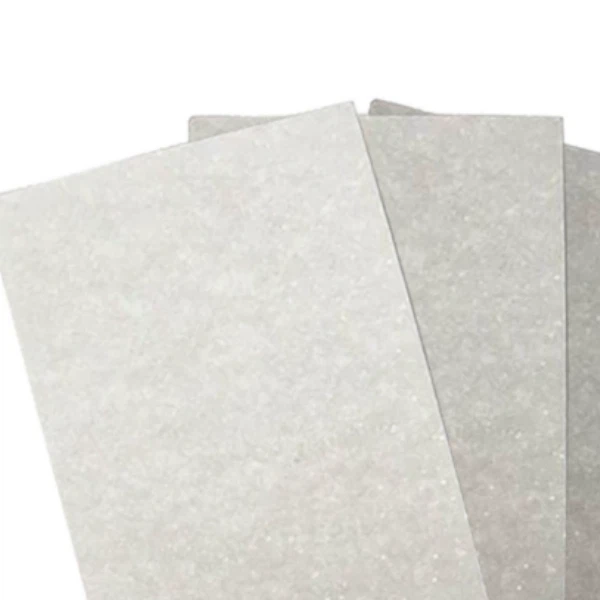
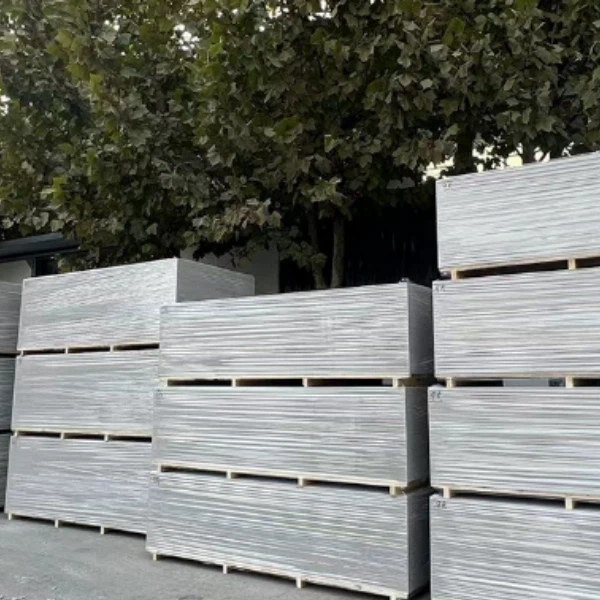
- Mold - Resistant Paints: These paints contain special additives that inhibit the growth of mold. They create a protective layer on the surface of the board, preventing mold spores from attaching and growing. When choosing a mold - resistant paint, look for one that is specifically formulated for use on fiber cement boards.
- Water - Repellent Coatings: Water - repellent coatings can also be very effective in preventing mold. These coatings make the surface of the board water - resistant, so water beads up and runs off instead of being absorbed. This reduces the amount of moisture that the board is exposed to, which in turn reduces the risk of mold.
Regular Maintenance
Regular maintenance is essential for keeping mold at bay. Here are some maintenance tasks you should perform:
- Inspect the Boards Regularly: Check the boards for any signs of damage, such as cracks or chips. If you notice any damage, repair it immediately. A damaged board is more likely to absorb water and develop mold.
- Clean the Boards: Clean the boards periodically to remove any dirt, debris, or organic matter that could attract mold. You can use a mild detergent and a soft brush to clean the surface. Rinse the boards thoroughly with water after cleaning.
- Monitor Humidity Levels: Keep an eye on the humidity levels in the area where the boards are installed. If the humidity is consistently high, consider using a dehumidifier to reduce it.
What to Do if You Find Mold
Even with all these preventive measures, there's still a chance that you might find mold on your fiber cement boards. If you do, don't panic. Here's what you can do:
- Isolate the Area: If you notice mold on a small section of the board, isolate the area to prevent the mold from spreading. You can do this by covering the affected area with a plastic sheet.
- Clean the Mold: Use a mold - killing cleaner to clean the affected area. Make sure to follow the instructions on the cleaner carefully. Wear protective gear, such as gloves and a mask, to avoid inhaling the mold spores.
- Repair or Replace the Board: If the mold has caused significant damage to the board, you may need to repair or replace it. In some cases, a simple repair may be enough, but if the damage is extensive, it's best to replace the board.
Conclusion
Preventing mold growth on fiber cement boards is all about taking a proactive approach. By choosing the right product, installing it correctly, applying surface treatments, and performing regular maintenance, you can keep your fiber cement boards mold - free for years to come.
If you're interested in purchasing high - quality fiber cement boards that are designed to resist mold, don't hesitate to reach out to us. We're here to help you find the perfect solution for your project. Whether you're a contractor working on a large - scale building or a homeowner doing a DIY project, we've got the right Fiber Cement Board for you. Contact us today to start the procurement discussion and let's build something great together!
References
- Building Science Corporation. (2023). Moisture Control Guidance for Building Design, Construction and Maintenance.
- National Association of Home Builders. (2023). Best Practices for Mold Prevention in Residential Construction.