

Hey there! As a supplier of Cement Fiber Board, I often get asked this question: "Is cement fiber board waterproof?" Well, let's dive right into it and find out.
First off, let's understand what cement fiber board is. Cement fiber board is made from a combination of cement, cellulose fibers, and other additives. It's a popular building material because of its durability, fire resistance, and relatively low cost. You can check out more about it on our Fiber Cement Board page.
Now, back to the waterproofness question. Cement fiber board is not completely waterproof in its natural state. The cement in the board is porous, which means it can absorb water to some extent. When water seeps into the board, it can cause issues like swelling, warping, and even mold growth over time.
However, that doesn't mean cement fiber board is useless in wet environments. There are ways to make it more water - resistant. One common method is to apply a waterproof coating. These coatings can create a barrier on the surface of the board, preventing water from penetrating. There are different types of coatings available, such as acrylic - based, epoxy - based, and silicone - based coatings. Each has its own advantages and disadvantages. For example, acrylic coatings are relatively easy to apply and are cost - effective, but they may not be as durable as epoxy coatings in extreme conditions.
Another factor that affects the water - resistance of cement fiber board is its installation. Proper installation is crucial. For instance, if the boards are installed with sufficient gaps between them, water can drain away instead of pooling on the surface. Also, using proper sealants around joints and edges can prevent water from seeping into the board through these vulnerable areas.
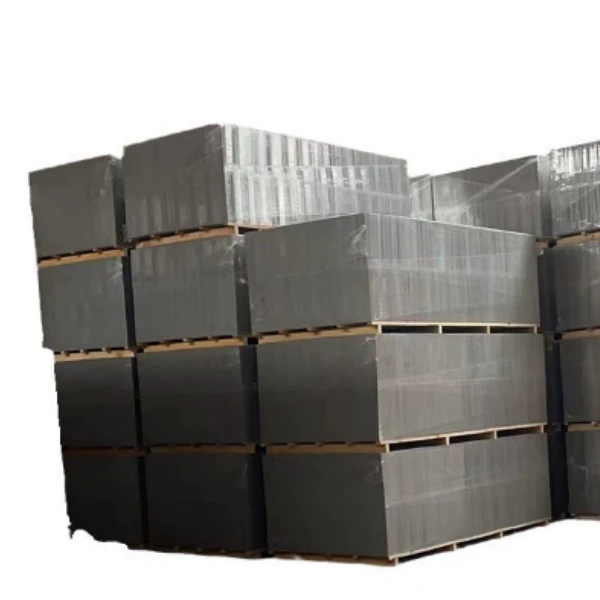

Let's talk about some real - world applications. In bathrooms and kitchens, where there is a lot of moisture, cement fiber board can be a great choice if it's properly treated. It can be used as a backing material for tiles. When combined with a waterproof membrane and a good tile adhesive, it provides a stable and long - lasting surface. You can find more details about our Fiber Cement Sheet which is suitable for such applications.
In exterior applications, like siding, cement fiber board also has its place. But again, it needs to be protected from water. A high - quality exterior paint can act as a waterproofing agent. It not only protects the board from water but also enhances its aesthetic appeal. And if you're looking for a more specialized application, our Fiber Cement Board For Explosion Protection can be a great option in areas where safety is a major concern.
Now, let's look at the testing methods for water - resistance. There are several industry - standard tests. One of the most common is the water absorption test. In this test, a sample of the cement fiber board is immersed in water for a specific period, usually 24 hours. Then, the increase in weight is measured. A lower increase in weight indicates better water - resistance. Another test is the water permeability test, which measures the rate at which water passes through the board under a certain pressure.
So, to sum it up, cement fiber board is not naturally waterproof, but with the right treatments and installation techniques, it can be made highly water - resistant. This makes it a versatile material for a wide range of applications, both indoors and outdoors.
If you're in the market for cement fiber board and have questions about its water - resistance or any other aspect, I'd love to have a chat with you. Whether you're a contractor, a builder, or a DIY enthusiast, we can provide you with the best products and advice to meet your needs. Just reach out, and let's start a conversation about your project.
References
- Building Materials Handbook: A comprehensive guide on the properties and applications of various building materials.
- Industry research reports on the performance of cement fiber board in different environments.