

In the serene environment of a library, quietness is not just a preference; it's an essential requirement. As a supplier of T-bar Grid products, I understand the crucial role that these grids play in ensuring a silent and peaceful atmosphere. In this blog, I'll delve into how T-bar Grids can be utilized to maintain the quietness in a library effectively.
Understanding the Importance of Quietness in a Library
Libraries are sanctuaries of knowledge, where people come to read, study, and concentrate. Noise can be a significant distraction, hindering the ability to focus and absorb information. Whether it's the chatter of visitors, the hum of HVAC systems, or the clatter of footsteps, any unwanted sound can disrupt the tranquility of the library. Therefore, creating a quiet environment is paramount to enhance the overall experience of library patrons.
How T-bar Grids Contribute to Quietness
Sound Absorption
One of the primary ways T-bar Grids contribute to quietness is through sound absorption. T-grid Ceiling T-bar Grid systems can be paired with acoustic ceiling tiles. These tiles are designed to absorb sound waves, reducing echo and reverberation in the space. When sound hits the acoustic tiles, the energy is converted into heat, effectively dampening the noise. This is particularly important in large library spaces with high ceilings, where sound can easily bounce around and create a noisy environment.
For example, in a multi - level library, the open atrium areas can be a source of significant noise transmission. By installing T-bar Grids with acoustic ceiling tiles, the sound from the upper levels can be absorbed before it reaches the lower levels, creating a more peaceful reading and study environment.
Structural Isolation
T-bar Grids also provide structural isolation, which helps in reducing the transmission of vibrations and noise. The grid system acts as a buffer between the ceiling and the rest of the building structure. When installed correctly, it can prevent the transfer of mechanical noise from the HVAC system, plumbing, or other building services.
For instance, if the library has a rooftop HVAC unit, the vibrations and noise generated by the unit can be transmitted through the building structure. A well - installed T-bar Grid can isolate these vibrations, preventing them from reaching the library space below. This is achieved by using flexible hangers and proper installation techniques that allow the T-bar Grid to move independently of the building structure.

Concealment of Noise Sources
Another advantage of T-bar Grids is their ability to conceal noise sources. In a library, there are often various mechanical and electrical components that can generate noise, such as lighting fixtures, ventilation ducts, and fire sprinkler systems. T-bar Grids can be used to hide these components, reducing the visual and auditory impact on the library patrons.
By enclosing these noise sources within the ceiling grid, the sound is contained and less likely to spread throughout the library. For example, recessed lighting fixtures can be installed within the T-bar Grid, and the grid can be covered with acoustic panels to further reduce the noise emitted by the lights.
Selecting the Right T-bar Grid for a Library
Acoustic Performance
When selecting a T-bar Grid for a library, acoustic performance should be a top priority. Look for grids that are specifically designed to work with high - performance acoustic ceiling tiles. The grid should have a good fit with the tiles to ensure maximum sound absorption. Some T-bar Grids are designed with special channels or profiles that enhance the acoustic performance of the ceiling system.
Durability
A library is a high - traffic area, and the T-bar Grid needs to be durable enough to withstand regular use. Choose a grid made from high - quality materials, such as galvanized steel or aluminum. These materials are resistant to corrosion and can maintain their structural integrity over time. A durable T-bar Grid will also require less maintenance, reducing the disruption to the library operations.
Aesthetics
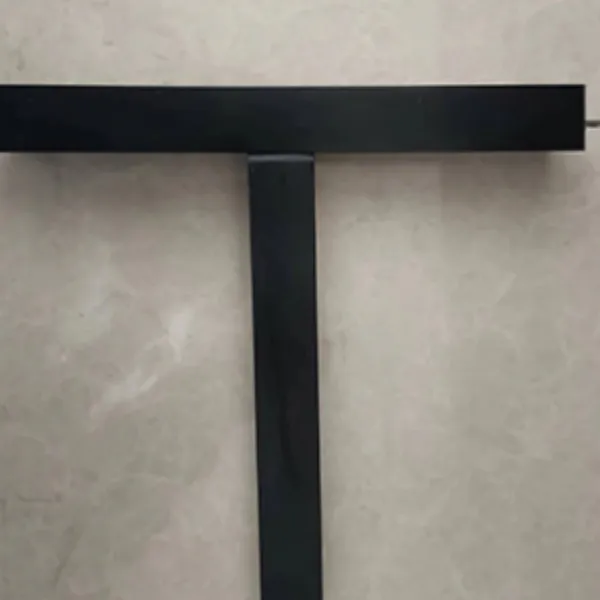
While quietness is the primary concern, aesthetics also play a role in the overall design of the library. The T-bar Grid should complement the interior design of the library. There are various styles and finishes available, such as white, black, or brushed metal, which can be selected to match the library's decor.
Installation and Maintenance
Professional Installation
Proper installation is crucial for the effectiveness of the T-bar Grid in ensuring quietness. It is recommended to hire a professional installer who has experience working with T-bar Grid systems. A professional installer will ensure that the grid is level, properly aligned, and securely attached to the building structure. They will also follow the manufacturer's guidelines for installing the acoustic ceiling tiles, which is essential for achieving optimal sound absorption.
Regular Maintenance
Regular maintenance of the T-bar Grid is also important to maintain its performance. Inspect the grid periodically for any signs of damage, such as bent or broken bars. Replace any damaged components immediately to prevent further deterioration. Clean the acoustic ceiling tiles regularly to remove dust and debris, which can reduce their sound - absorbing capabilities.
Conclusion
In conclusion, T-bar Grids are an excellent solution for ensuring the quietness in a library. Through sound absorption, structural isolation, and concealment of noise sources, they can significantly improve the acoustic environment of the library. By selecting the right T-bar Grid, having it professionally installed, and performing regular maintenance, libraries can create a peaceful and quiet space for their patrons.
If you're interested in enhancing the quietness of your library with our high - quality T-grid and T-bar Grid products, we'd love to have a discussion with you. Contact us to start the procurement negotiation process and take the first step towards creating a more serene library environment.
References
- "Acoustic Ceiling Design Guide" by the Ceiling and Interior Systems Construction Association (CISCA).
- "Building Acoustics: Principles and Practice" by Colin H. Hansen.