

Maintaining gypsum board in high - traffic areas is a crucial task that requires careful attention and regular upkeep. As a gypsum board supplier, I have witnessed firsthand the challenges that high - traffic environments pose to the longevity and appearance of gypsum board installations. In this blog post, I will share some valuable tips on how to maintain gypsum board in high - traffic areas to ensure its durability and aesthetic appeal.
Understanding the Challenges of High - Traffic Areas
High - traffic areas, such as hallways, stairwells, and commercial lobbies, are subject to a significant amount of wear and tear. People constantly move through these spaces, and there is a higher risk of accidental impacts, scratches, and dirt accumulation. Gypsum board, while a popular and versatile building material, can be vulnerable to damage in such environments.
One of the main issues in high - traffic areas is physical damage. Bumping into the walls with furniture, luggage, or even people's elbows can cause dents and cracks in the gypsum board. Additionally, scuff marks from shoes or other objects can mar the surface of the board, making it look unkempt. Dirt and dust also tend to accumulate more quickly in high - traffic areas, which can affect the appearance of the gypsum board over time.
Preventive Measures
Protective Panels
Installing protective panels in high - traffic areas is an effective way to prevent damage to the gypsum board. These panels can be made of materials such as plastic, metal, or wood, and they are placed at a height where most impacts are likely to occur. For example, in hallways, protective panels can be installed at a height of about 3 to 4 feet from the floor. This not only protects the gypsum board from scratches and dents but also adds a decorative element to the space.
Corner Guards
Corner guards are another essential preventive measure. Corners are particularly vulnerable to damage in high - traffic areas because they are more likely to be bumped into. Corner guards can be made of rubber, plastic, or metal and are designed to absorb the impact of collisions, protecting the gypsum board at the corners. They are easy to install and come in a variety of styles and colors to match the decor of the space.
Regular Cleaning
Regular cleaning is crucial for maintaining gypsum board in high - traffic areas. Dust and dirt can accumulate on the surface of the board, making it look dull and dirty. Use a soft, dry cloth or a vacuum cleaner with a soft brush attachment to remove dust and debris from the gypsum board regularly. For more stubborn stains, you can use a mild detergent and water solution. However, be careful not to saturate the gypsum board with water, as this can cause it to warp or damage the paint or finish.
Repairing Damaged Gypsum Board
Despite taking preventive measures, damage to gypsum board in high - traffic areas may still occur. It is important to address these issues promptly to prevent further damage and maintain the integrity of the installation.
Minor Dents and Scratches
For minor dents and scratches, you can use a spackling compound to repair the damage. First, clean the damaged area with a damp cloth to remove any dirt or debris. Then, apply the spackling compound to the dent or scratch using a putty knife. Smooth the compound over the damaged area and let it dry according to the manufacturer's instructions. Once dry, sand the area lightly to make it smooth and even with the surrounding surface. Finally, touch up the area with paint that matches the existing finish of the gypsum board.
Larger Holes and Cracks
Larger holes and cracks in the gypsum board require more extensive repair. You may need to cut out the damaged section of the board and replace it with a new piece. First, measure the size of the hole or crack and cut a piece of gypsum board that is slightly larger than the damaged area. Use a drywall saw to cut out the damaged section of the existing board. Then, fit the new piece of gypsum board into the hole and secure it in place with drywall screws. Apply joint compound over the seams and let it dry. Sand the area smooth and apply a second coat of joint compound if necessary. Finally, paint the repaired area to match the rest of the wall.
Choosing the Right Gypsum Board for High - Traffic Areas
When supplying gypsum board for high - traffic areas, it is important to choose the right type of board. There are different types of gypsum board available, each with its own characteristics and suitability for different applications.
Plaster Board
Plaster board is a popular choice for high - traffic areas because it is durable and easy to repair. It has a smooth surface that is resistant to scratches and stains, making it ideal for areas where there is a lot of foot traffic. Plaster board also provides good sound insulation, which can be beneficial in busy commercial or residential spaces.
Gypsum Board For Ceilings
For high - traffic areas, gypsum board for ceilings can be a great option. It is designed to be lightweight and easy to install, and it can withstand the vibrations and movement that are common in high - traffic spaces. Gypsum board for ceilings also offers good fire resistance, which is an important safety feature in any building.
Gypsum Board For Exterior
In some cases, high - traffic areas may be located near exterior walls. Gypsum Board For Exterior is specifically designed to withstand the elements and is more resistant to moisture and temperature changes. This type of gypsum board can be a good choice for areas such as entrances or corridors that are exposed to the outside environment.

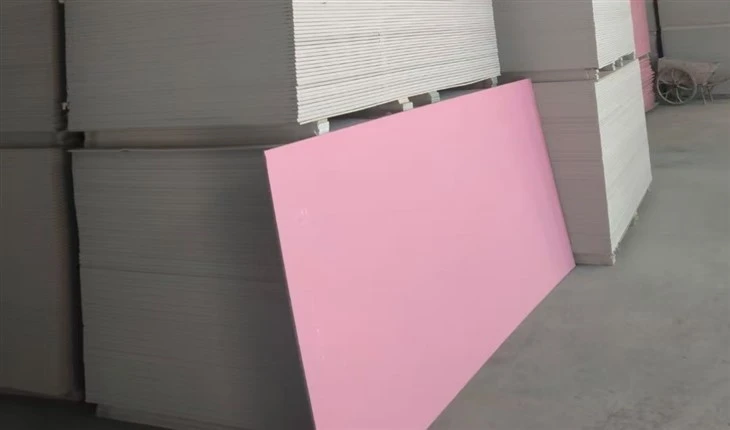
Regular Inspections
Regular inspections are an important part of maintaining gypsum board in high - traffic areas. By conducting inspections on a regular basis, you can identify any potential issues early on and take appropriate action to prevent further damage.
Inspect the gypsum board for signs of damage, such as cracks, dents, or water stains. Check the joints and seams to ensure they are intact and free of gaps. Look for any signs of mold or mildew, which can indicate a moisture problem. If you notice any issues during the inspection, address them promptly to prevent them from worsening.
Conclusion
Maintaining gypsum board in high - traffic areas requires a combination of preventive measures, regular cleaning, prompt repairs, and the right choice of materials. By following the tips outlined in this blog post, you can ensure that your gypsum board installations in high - traffic areas remain in good condition for years to come.
As a gypsum board supplier, I am committed to providing high - quality products and expert advice to help you maintain your gypsum board installations. If you are interested in purchasing gypsum board for your high - traffic areas or have any questions about gypsum board maintenance, please feel free to contact me for further discussion and procurement negotiations.
References
- Building Construction Handbook, various editions
- Gypsum Association Technical Guides
- Manufacturer's product manuals for gypsum board products