

As a professional fiber cement board supplier with years of overseas supply experience, we fully understand the common trouble most builders and DIY users face: chipped, frayed edges after cutting. Poor cutting edges not only ruin the aesthetic of installation but also leave tiny cracks that absorb moisture, shortening the board's service life. Based on actual construction feedback and on-site operation experience, we summarize simple and effective anti-chipping cutting tips for users to get neat edges without complicated professional equipment.
The first key to avoid chipping is picking the right tools and blades. Many beginners make the mistake of using ordinary wood saw blades. These blunt common blades will tear the mixed fiber and cement structure, causing severe edge breakage. We strongly recommend diamond-tipped saw blades for electric circular saws and angle grinders. This blade features sharp, wear-resistant teeth that cut through the board steadily instead of violently tearing it. For thin boards under 6mm, a utility knife is more suitable; it creates smoother cuts than power tools.

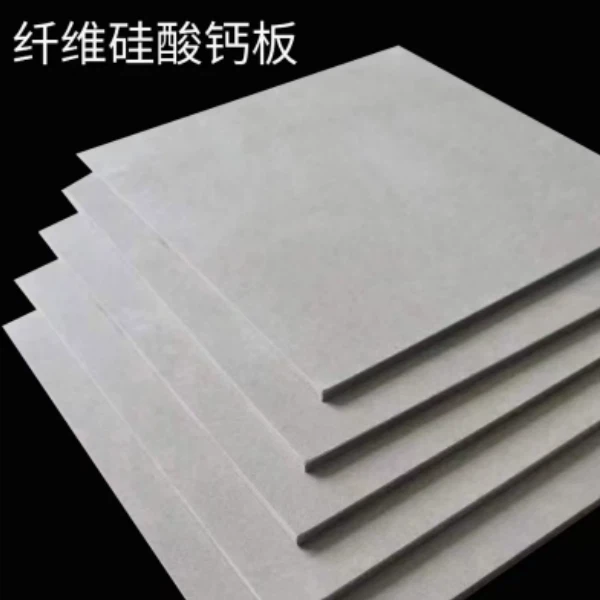
Simple pre-cut treatment can greatly reduce chipping with zero extra cost. Clean dust and stains along the marked cutting line first, then stick painter's tape covering 1-2cm on both sides of the cutting track. The tape fixes the surface fiber structure to prevent peeling during cutting. Besides, always mark and cut on the smooth finished side. Cutting from the backside will easily crack the compacted surface layer and leave jagged edges.
Standard cutting operations determine the final edge effect. Fix the board firmly on a flat workbench to prevent shaking or shifting. Any tiny displacement will cause uneven cuts. Do not push the tool hard while cutting; let the sharp blade advance naturally at a constant low speed. For boards thicker than 12mm, adopt the double-cut method: carve through the surface layer first, then cut off the core layer to avoid one-time forced cutting that squeezes and cracks edges.
Simple post-cut finishing is indispensable. Polish rough cuts with medium-fine sandpaper to remove burrs and tiny broken fibers. For outdoor and humid environment use, brush waterproof sealant on the cut edge. This seals exposed fibers to prevent moisture erosion and extend the board's durability.
These practical tips require no professional skills. Proper tools, simple pre-treatment and gentle operation can help users obtain flawless cuts. Our fiber cement boards are strictly manufactured with high-density fiber compression. With correct cutting methods, they can maintain complete structural stability and bring long-term reliable usage performance for all construction projects.