

Yes, gypsum board is fully recyclable.
Gypsum board is a material, unlike others, that can be recycled with ease and not do harm to the environment. The primary material that makes up gypsum board, gypsum (or calcium sulfate dihydrate), is a stable type of mineral. It does not decompose and isn't susceptible to undergoing chemical reactions with other harmful decomposition products. This stability is the reason that makes "cradle-to-cradle" recycling possible.
Recycling gypsum board involves turning waste boards back into raw materials. The process includes several key steps:
Collect and Separate: This is the most crucial phase of the process because waste generated from construction sites as well as waste generated from the demolition of existing boards must be collected in a systematic manner. The level of care that is employed in sorting is very important to ensure that recycled drywall is free of contaminants, including, but not limited to, mold and asbestos. Nails, tape, paint or wallpaper should also be removed.
Crushing and Grinding: Clean drywall is put through crushers/grinders to reduce it to a very fine particle size.
Separation and Purification: This is the heart of the process. Gypsum board has a gypsum core and a paper layer. After grinding, screening and air-separation processes remove most paper fibers from the drywall powder. We end up with highly pure recycled drywall powder.

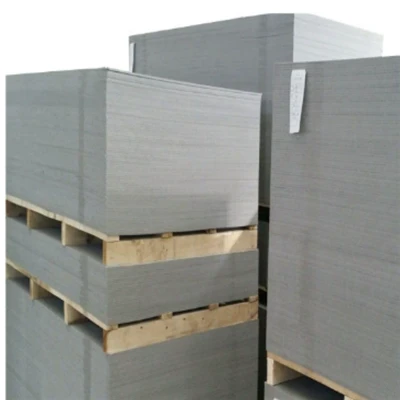
Wide Applications of Recycled Drywall
Where does this recycled drywall powder go? Its uses are broad, including:
New Drywall Production: This represents the most significant value of recycling. The recycled drywall powder can be mixed with either natural gypsum or synthetic gypsum to produce new drywall. Many manufacturers are using recycled products, demonstrating environmental responsibility and the growth of this industry.
Soil Conditioner: Gypsum is widely known as a soil conditioner. Recycled gypsum powder is identical to new gypsum and as such is an excellent way to condition the soil by improving soil structure, buffering soil pH, and providing calcium and sulfur for crops.
Cement Retarder: In cement production, gypsum controls the setting time. Recycled gypsum powder can effectively serve this role.
Compost Additives: Recycled gypsum powder is also used in various industrial and agricultural applications.
Our Shared Challenges and Future
While technically feasible, the widespread adoption of gypsum board recycling globally faces several practical challenges, requiring collaborative efforts across the supply chain:
Implementing an Efficient Recycling System: Successfully gathering the gypsum board dispersed in untracked thousand postings of construction and demolition works requires a well-planned and easily accessible logistics and sorting system, relying on a partnership of local municipalities, recycling firms, construction contractors, and our suppliers.
Cost challenges: Right now, it can sometimes cost more to collect, transport, and process waste drywall than to mine natural gypsum or use synthetic alternatives. To help offset these costs, policy support and market recognition of green products is needed.
Pollution cleanup: Some of the other materials found on drywall such as certain paints (typically those that contain lead) complicate if it can be recycled properly, and this also requires advanced sorting technologies on-site or materially testing.